
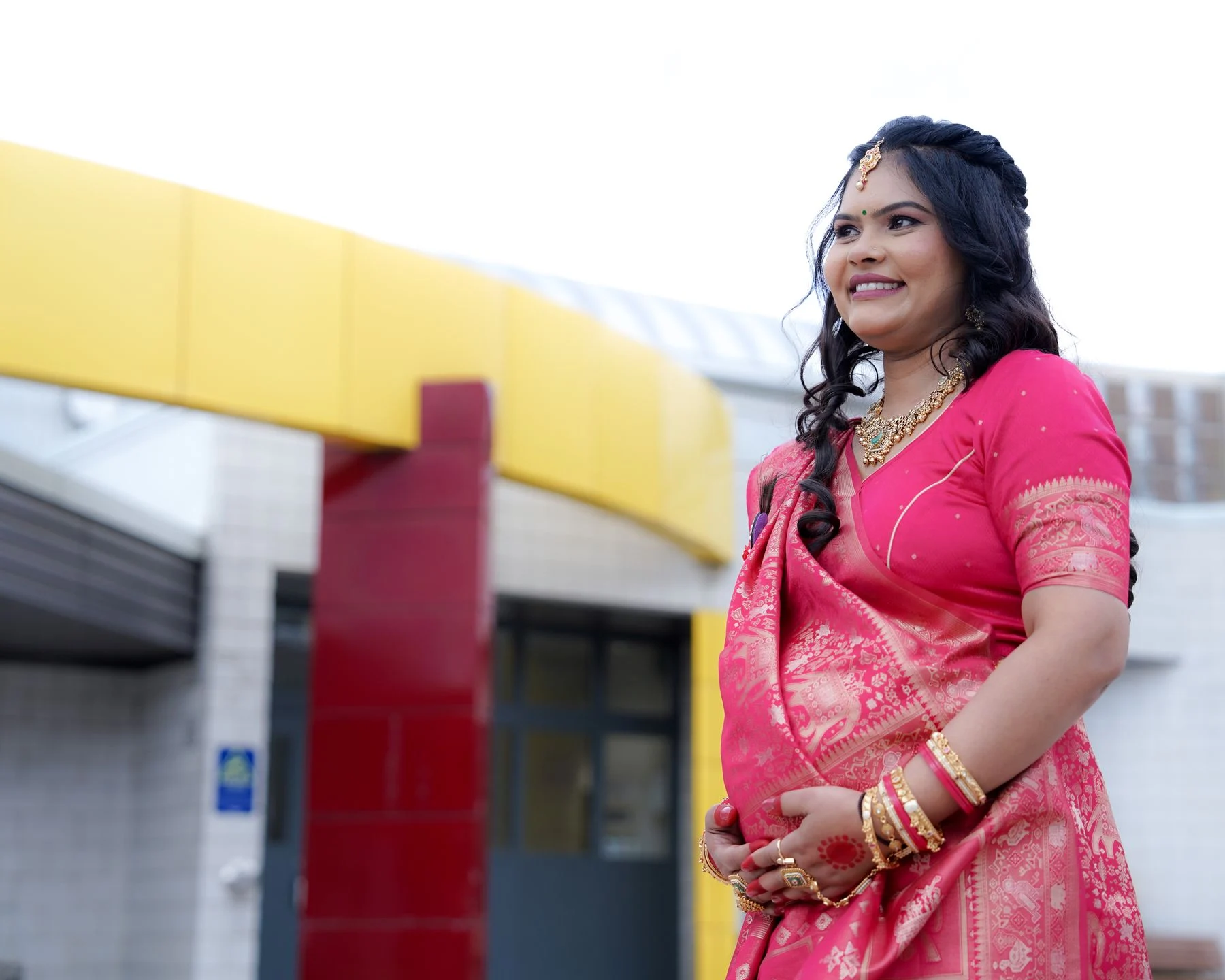
Pregnancy care
Regular check-ups from conception to delivery.

Need help choosing a specialist? Call or WhatsApp us.
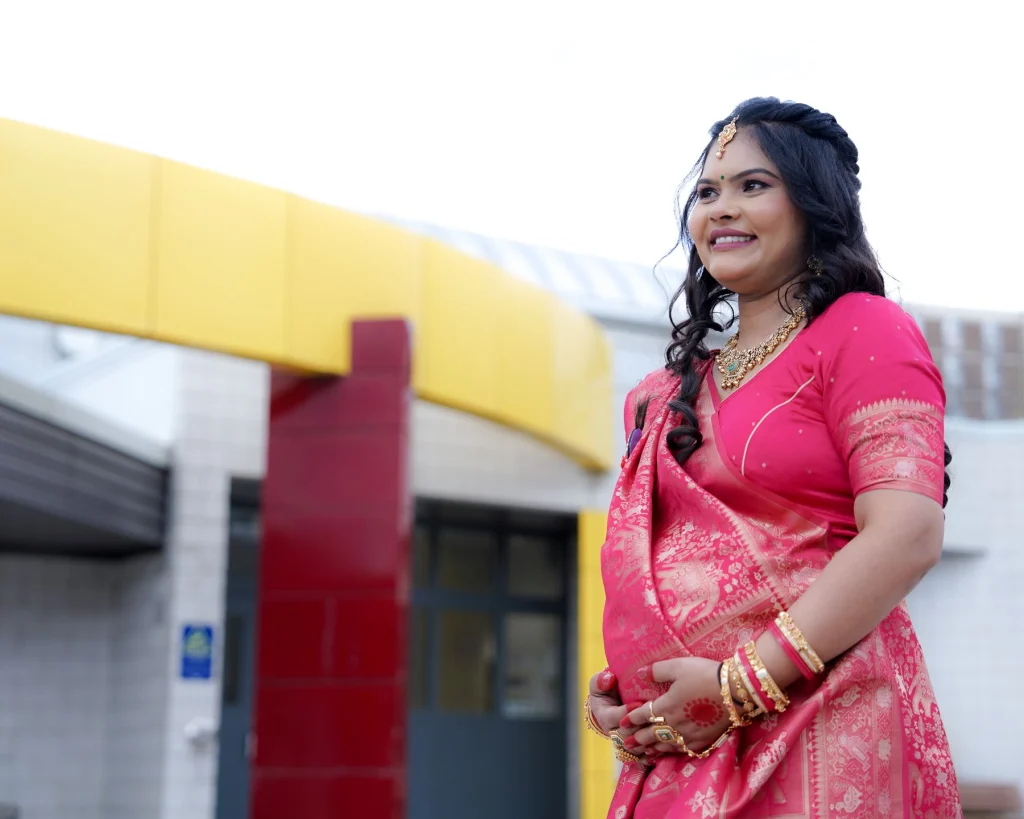
Complete care for women, from pregnancy and delivery to gynaecological problems and family planning.
Every stage of a woman’s health needs care that is safe, respectful and easy to understand. Our gynaecologist provides antenatal and postnatal care, manages high-risk pregnancies and performs normal, assisted and caesarean deliveries.
Dr. Sunita Kumari also treats common gynaecological problems such as irregular or heavy periods and fibroids, and offers contraception counselling and preventive check-ups.
Not sure what you have? Our specialists will examine you and explain your diagnosis clearly.
Regular check-ups from conception to delivery.
Diabetes, high blood pressure and other risks.
Evaluation and treatment.
Diagnosis and management.
Hormonal and menstrual problems.
Initial evaluation and advice.
Book a consultation if you notice any of these:
Severe pain, heavy bleeding or high fever? Go to the nearest emergency or call 112.
History, examination and routine tests or ultrasound. You get a clear care plan and schedule of visits.
Regular check-ups through pregnancy, or medical and surgical treatment for gynaecological problems.
Postnatal care, recovery advice, contraception counselling and follow-up check-ups.
We recommend the least invasive option that suits your condition, and explain the benefits and risks of each before you decide.
Complete care for mother and baby.
Safe vaginal delivery with support.
Planned or emergency caesarean delivery.
Minor and major procedures as needed.
Contraception counselling and IUD placement.
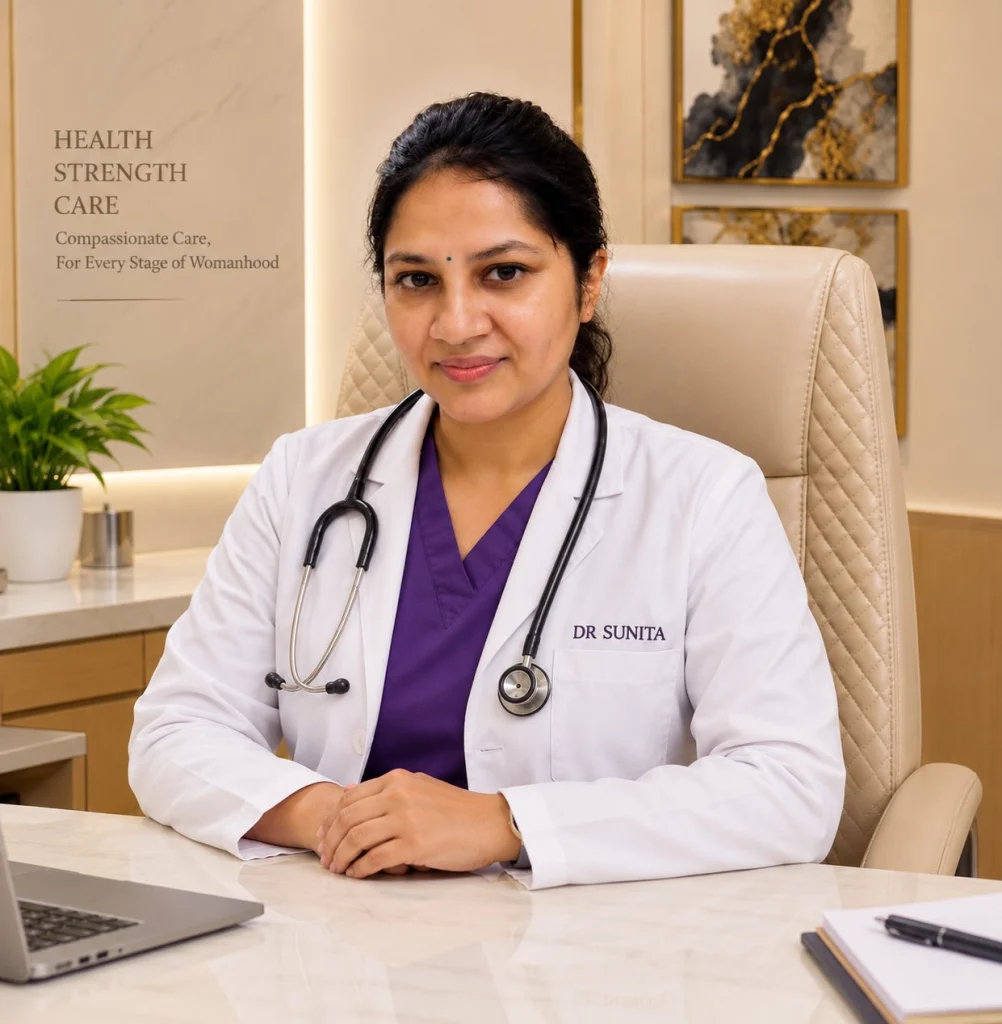
Consultant Obstetrician & Gynaecologist
MBBS · DGO · DNB (Obstetrics & Gynaecology)
Consultant obstetrician and gynaecologist experienced in high-risk pregnancy, normal and caesarean deliveries and gynaecological procedures.
Meet the specialist, share your symptoms and reports, and get a thorough examination.
The right tests, a clear diagnosis and every option explained, including non-surgical ones.
Safe surgery or procedure with modern techniques, when it is truly needed.
Clear recovery guidance and regular follow-up until you are back to normal life.
Have another question? Call or WhatsApp us and our team will help.
Ask on WhatsAppAs soon as you know you are pregnant, ideally in the first few weeks.
Conditions like diabetes, high blood pressure, previous complications or carrying twins. These need closer monitoring.
In some cases, yes. Your doctor will assess whether it is safe for you.
Most fibroids are not cancerous. Treatment depends on symptoms such as heavy bleeding or pain.
Usually monthly in the early months, then more often in the last trimester. High-risk pregnancies need closer monitoring.
Small fibroids without symptoms often need only monitoring. Medicines or surgery are considered when they cause problems.