
Hernia
Inguinal, umbilical, incisional and ventral hernias.

Need help choosing a specialist? Call or WhatsApp us.
Keyhole surgery for hernia, gallbladder, appendix and other common conditions, with smaller cuts, less pain and a faster return home.
General surgery covers many of the most common reasons people need an operation, from hernias and gallbladder stones to appendicitis, lumps and abscesses. Most of these problems can today be treated with laparoscopic (keyhole) surgery.
In laparoscopic surgery, the surgeon works through a few small cuts using a camera and fine instruments. Compared with open surgery, this usually means less pain, smaller scars, a shorter hospital stay and a quicker return to work. Our surgeons assess each patient carefully and recommend surgery only when it is truly needed.
Not sure what you have? Our specialists will examine you and explain your diagnosis clearly.
Inguinal, umbilical, incisional and ventral hernias.
Painful gallstones and gallbladder infection.
Acute and recurrent appendix pain.
Lipomas, sebaceous cysts and other swellings.
Breast lumps, fibroadenoma and abscess.
Infections, non-healing wounds and diabetic foot.
Book a consultation if you notice any of these:
Severe pain, heavy bleeding or high fever? Go to the nearest emergency or call 112.
Consultation, examination and tests such as blood tests and ultrasound. Your surgeon explains the procedure, costs and fasting instructions.
Most keyhole operations take 45–90 minutes under anaesthesia. Many patients walk the same evening.
Usually home in 1–2 days, light work in 1–2 weeks, with a follow-up visit to check healing.
We recommend the least invasive option that suits your condition, and explain the benefits and risks of each before you decide.
TEP / TAPP mesh repair through small cuts.
Keyhole removal of the gallbladder for stones.
Removal of the inflamed appendix.
Mesh repair when keyhole surgery is not suitable.
Day-care removal of lipomas and cysts.
Removal and testing of breast lumps.

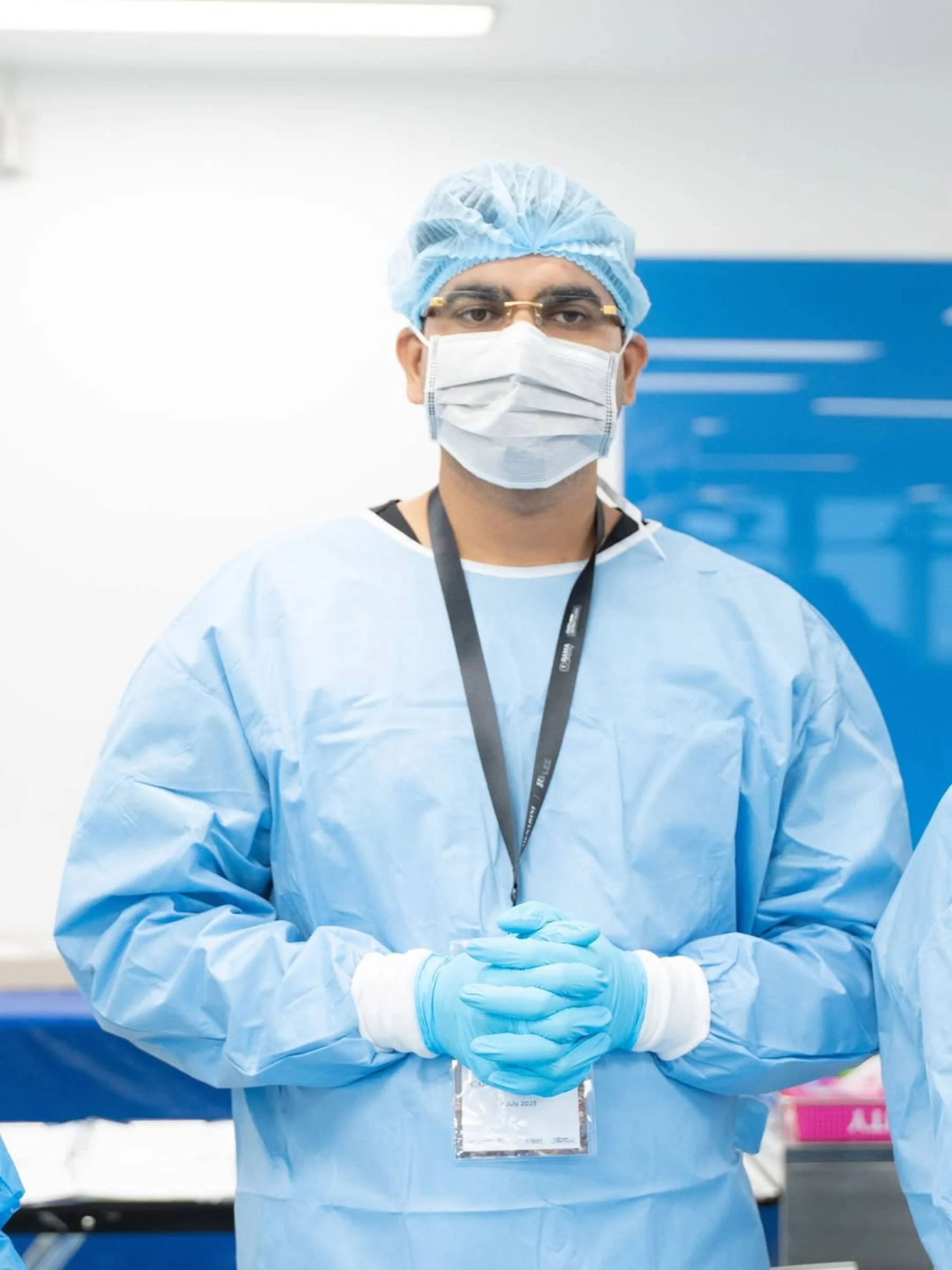
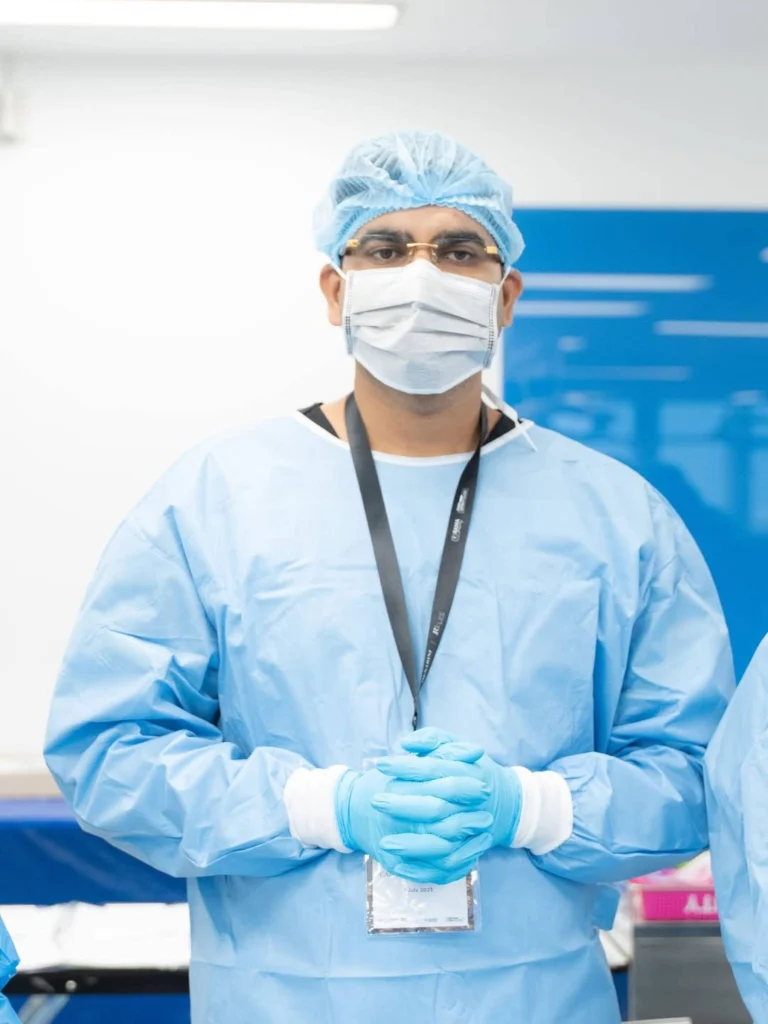
Robotic, Laser, Laparoscopic & General Surgeon
MBBS · MS (General Surgery) · FIAGES · FALS (Robotic Surgery) · FMAS · MBA (Hospital Administration)
General surgeon, surgical educator and founder of Surgery Wallah, with training in laparoscopic and robotic surgery and an MBA in Hospital Administration.
Meet the specialist, share your symptoms and reports, and get a thorough examination.
The right tests, a clear diagnosis and every option explained, including non-surgical ones.
Safe surgery or procedure with modern techniques, when it is truly needed.
Clear recovery guidance and regular follow-up until you are back to normal life.
Have another question? Call or WhatsApp us and our team will help.
Ask on WhatsAppFor most common conditions it is a well-established, safe technique. Your surgeon will tell you whether it suits your case.
After keyhole hernia or gallbladder surgery, many patients go home within one to two days.
A hernia does not heal on its own. Surgery is the definitive treatment, and your surgeon will advise on the right time.
Many people return to desk work within one to two weeks. Heavy lifting usually needs to wait longer.
No. Keyhole surgery uses three or four small cuts of about 5–10 mm, which usually heal to small, faint marks.
Mesh repair is the standard treatment for most hernias and lowers the chance of the hernia coming back. Your surgeon will explain the type used.